

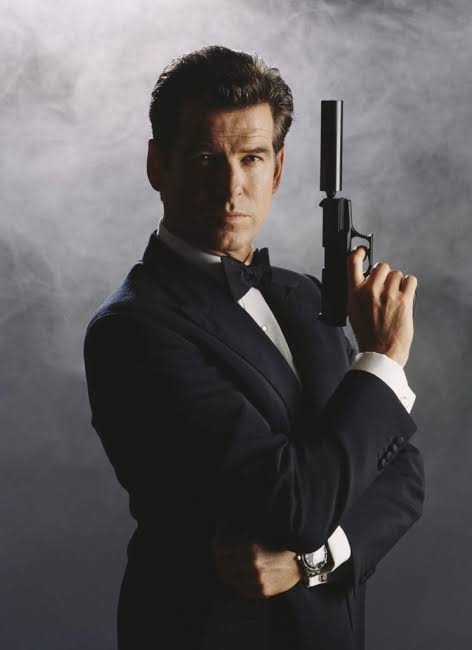
The search for the next James Bond has reportedly entered its final screen-testing stage, raising the possibility that one of the actors being considered could soon land the career-defining role of 007. The casting decision will shape the future of one of cinema’s most enduring franchises, choosing about far more than an actor’s ability to perform action sequences.
Recent reports have identified Jack Lowden and Callum Turner as leading contenders for the role. However, neither actor has received an official announcement as the next James Bond, and the studio has not confirmed the complete list of candidates.
Both performers bring different strengths to the table. Yet, beyond screen presence, physical appeal and acting ability, the producers must consider whether their eventual choice can handle the professional demands and long-term responsibilities that come with portraying the iconic British secret agent.
Jack Lowden and Callum Turner Emerge as Reported Contenders
Jack Lowden has attracted attention through his performance as MI5 agent River Cartwright in the Apple TV series Slow Horses. The role has allowed him to demonstrate his ability to handle espionage stories, action, suspense, and character-driven drama.
Although Cartwright differs from Bond in personality and temperament, Lowden’s experience in the spy genre could give him a useful foundation for the part.
His screen persona also offers a potential alternative to the traditional image of 007. Rather than relying exclusively on the polished sophistication associated with previous Bonds, Lowden could bring a more grounded quality to the character.
That approach might give the writers opportunities to explore a different side of the legendary spy while preserving the qualities audiences expect from the franchise.
Could Callum Turner Fit the Traditional Bond Image?
Callum Turner presents a different proposition. His appearance, confident screen presence and polished manner could make him a natural fit for the familiar image of James Bond.
Those qualities could work in his favour, particularly if the producers want an actor who can convincingly portray the character’s sophistication, charm and physical appeal.
However, casting an actor who closely resembles the conventional Bond archetype also presents a creative question: would the next film benefit more from a familiar interpretation or from a performer who brings a less predictable personality to the role?
Turner could potentially deliver the traditional Bond experience, while Lowden might offer a different interpretation. Ultimately, the producers must decide which approach best serves the franchise’s next chapter.
Jack O’Connell and Josh O’Connor Also Feature in Casting Speculation
Other actors have also appeared in reports about the search for the next 007, including Jack O’Connell and Josh O’Connor.
However, speculation surrounding the candidates has made it difficult to establish precisely who remains under consideration. Reports about screen tests and potential shortlists should not be treated as confirmation that every named actor has reached the final stage.
Amazon MGM Studios has not publicly confirmed the complete list of actors involved in the process. Until the studio makes an official announcement, the identities of the finalists and the status of individual candidates remain uncertain.
Why Playing James Bond Requires More Than Acting Talent
Landing the role of James Bond involves considerably more than mastering fight choreography, delivering witty dialogue or handling the character’s signature Walther PPK pistol.
The actor must also shoulder the professional responsibilities associated with leading a major global franchise. Producers need someone who can work effectively with directors, writers, fellow performers, crew members and studio executives throughout an extended production process.
Bond films also demand extensive international promotion. The lead actor becomes one of the franchise’s most recognisable representatives, regularly interacting with journalists, attending premieres and participating in publicity campaigns that can attract worldwide attention.
As a result, casting decisions must account for an actor’s professionalism, reliability and ability to manage the demands of international fame.
Producers Need a Long-Term Commitment
The James Bond role can require an actor to commit to the franchise for many years. Producers must therefore consider whether a candidate is prepared to balance the demands of multiple films with other professional opportunities.
Former Bond producer Barbara Broccoli discussed the scale of that commitment in a 2022 interview with Variety, explaining that playing 007 can involve a 10- to 12-year commitment and requires more than simply turning up for a few months of filming.
That long-term expectation makes the casting decision particularly important. Producers are not merely selecting an actor for one film; they may be choosing the central figure in several instalments of a major cinematic series.
The successful candidate must be prepared for demanding schedules, intense public scrutiny and the possibility that audiences will associate him with Bond long after he leaves the role.
Why Professional Conduct Matters to the Franchise
A major franchise also depends on the people representing it maintaining professional relationships and meeting their responsibilities.
Public controversies, serious misconduct allegations or persistent production difficulties can create significant challenges for a studio. These risks become especially consequential when an actor occupies the lead role across multiple planned films.
Producers therefore have good reason to consider a candidate’s track record, conduct on set and ability to work collaboratively. Such considerations do not replace acting ability, but they can influence whether a performer is suited to a long-running franchise.
The Bond films require large teams, substantial financial commitments and months of coordinated production work. A lead actor who consistently creates avoidable problems could make an already complicated process more difficult.
For that reason, the ideal candidate must combine charisma and talent with reliability, respect for colleagues and an understanding of the responsibilities that come with representing an internationally recognized character.
What Previous Bond Casting Decisions Can Teach Producers
The franchise’s history illustrates the risks involved in selecting an actor for such a demanding role.
George Lazenby played James Bond in the 1969 film On Her Majesty’s Secret Service. He appeared in only one Bond film before Sean Connery returned to the role in Diamonds Are Forever in 1971.
Bond producer Albert R. “Cubby” Broccoli later expressed strong dissatisfaction with the decision to cast Lazenby, criticizing the actor’s attitude toward success. His assessment has become part of the wider discussion surrounding the challenges of finding a performer who can sustain the role.
However, a single casting outcome does not establish a universal formula for choosing Bond. Each actor brings a different combination of strengths, weaknesses and career ambitions, while the franchise itself changes with each new era.
The more enduring lesson is that producers must consider whether an actor can handle the role’s demands beyond the initial excitement of being selected.
The Jonathan Majors Controversy Highlights Franchise Risks
Hollywood has also witnessed how problems involving a lead performer can affect a franchise’s plans.
Marvel Studios changed its direction following the legal controversy surrounding Jonathan Majors, who had played Kang in the Marvel Cinematic Universe. The situation demonstrated how complications involving a prominent cast member can disrupt a studio’s plans for a larger series of films.
The circumstances differ from the James Bond casting process, and the comparison should not suggest that any current Bond candidate presents similar risks. Instead, the broader lesson is that studios must carefully assess the professional responsibilities involved in casting performers for major, interconnected productions.
Bond’s central character appears throughout each film, placing even greater importance on the actor’s ability to fulfil the role consistently.
Who Will Become the Next James Bond?
The competition to become the next James Bond remains a major talking point among film fans, with Jack Lowden and Callum Turner among the actors named in recent reports.
Lowden could offer a more grounded interpretation informed by his work in Slow Horses, while Turner appears well suited to the character’s traditional sophistication and screen appeal. Other names have also surfaced, but the full shortlist remains unconfirmed.
Ultimately, the producers must weigh more than appearance, action skills or popularity. They need an actor who can deliver a compelling performance, work effectively with the production team and commit to the responsibilities of a role that could define much of his career.
Until Amazon MGM Studios announces its decision, fans will have to wait to learn who will inherit one of cinema’s most recognisable characters.